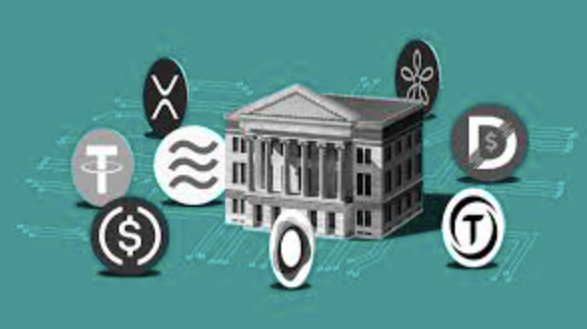
Crypto and the future of digital transactions present a shift from centralized intermediaries to programmable, cryptographic systems. Data-driven models suggest tokens and smart contracts could streamline governance and enforceability, while cross-chain interoperability expands options. Regulators face balancing privacy with oversight, aiming for transparent reporting and privacy-by-design solutions. Real-world adoption hinges on interoperable standards, measured risk, and user-centric design that preserves security and consent. The implications are significant, but practical paths require careful assessment of tradeoffs and governance.
What Crypto Changes About Digital Transactions
Crypto alters the landscape of digital transactions by shifting trust from centralized intermediaries to programmable, cryptographic systems.
Analysis shows a token economy emerges, where value flows through non monetary tokens and utility rights, rather than cash alone.
Smart contracts enable automated governance, while cross chain swaps widen interoperability.
Caution remains: security, scalability, and accessibility must align with freedom-oriented innovation.
Navigating Regulation, Security, and Compliance
Navigating Regulation, Security, and Compliance requires a careful, evidence-based assessment of how policy frameworks, risk management practices, and operational controls intersect in digital-asset ecosystems. The analysis emphasizes data-driven oversight, proportional controls, and transparent reporting. Privacy by design and user sovereignty emerge as guiding principles, balancing openness with accountability. Cautious, independent evaluation clarifies trade-offs, supporting freedom while reducing systemic risk and misconduct.
Real-World Use Cases Transforming Payments and Contracts
Real-world use cases in digital transactions illustrate how decentralized and tokenized systems intersect with established payment rails and contract workflows. Analysts measure transition costs, noting incremental integrations, while energy implications prompt efficiency targets. Privacy considerations surface in reporting and consent models, yet on chain scalability remains variable across networks. The trend favors modular adoption without compromising regulatory clarity or user autonomy.
Challenges, Tradeoffs, and a Practical Path Forward for Users
What challenges, tradeoffs, and practical steps face users as digital transactions evolve? Analysts document data frictions, regulatory uncertainty, and privacy norms shaping behavior. Tradeoffs include security versus speed, and transparency versus opacity in custody models. A practical path forward emphasizes user onboarding, clear consent, and interoperable standards. Cautious adoption requires measurable risk assessment, transparent fees, and privacy-conscious design to sustain confident, freedom-enhancing participation.
See also: Password Security: Best Practices
Frequently Asked Questions
What Happens to Privacy in Crypto Payments Outside Regulated Ecosystems?
In unregulated crypto payments, privacy can erode through privacy leakage and pervasive third party tracking, as transaction metadata and exchange footprints compound. Analysts urge cautious data practices, emphasizing transparent auditing, user controlled privacy tools, and rigorous risk assessment for freedom-minded users.
Can Crypto Replace Central Banks for Everyday Transactions?
The answer is cautious: crypto cannot wholly replace central banks for everyday transactions. Decentralized governance and monetary sovereignty offer alternatives, yet stability, inclusivity, and policy tools remain reliant on traditional institutions, requiring careful integration rather than outright replacement.
How Do Forks and Updates Affect User Funds?
Forks and updates can affect user funds through network splits and potential post-merge reorgs; overall risk remains mitigated by clear fork safety protocols and update governance practices, which data-driven analyses show reduce exposure and enhance holder confidence.
Are There Tax Implications Beyond Capital Gains for Wallets?
Privacy protocols introduce nuanced tax reporting considerations beyond capital gains, as individuals may face fungibility, compliance thresholds, and record-keeping requirements; careful analysis suggests wallets interact with regulatory expectations, data retention policies, and disclosure standards shaping financial transparency and freedom.
Will Universal Crypto Adoption Be Economically Feasible Globally?
Universal adoption appears unlikely to achieve flawless global feasibility; markets show diverse adoption paces, regulatory paths, and infrastructure gaps. Analysts urge cautious optimism, noting substantial macroeconomic, legal, and technological frictions that temper libertarian aspirations with measured data.
Conclusion
This analysis concludes, with dry data as its compass, that crypto will reshape transactions only to the extent stakeholders enable it. Ironically, while trust migrates to code and tokens promise remarkable efficiency, measurable risk remains; regulation, security, and privacy must harmonize rather than clash. If interoperability and user-centric design prevail, adoption could accelerate. Absent cautious governance and transparent reporting, the very efficiencies promised may be undermined by avoidable tradeoffs and misplaced optimism.