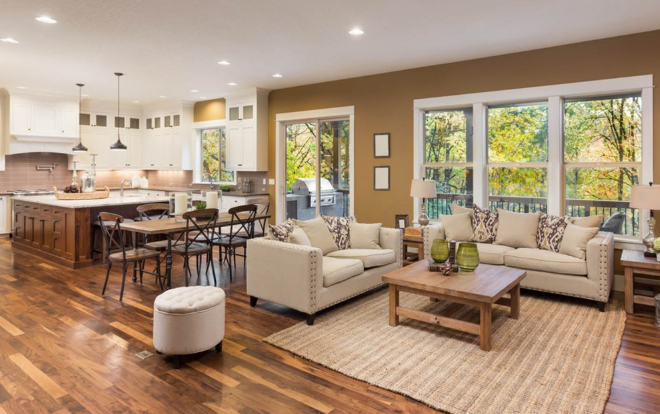
In high-traffic areas, durability and low maintenance matter most. Porcelain tile offers hardness and longevity under heavy use, while resilient vinyl with a thick wear layer absorbs impact and resists scratches. Engineered wood can perform well with tight joints and proper moisture control. Protective finishes and seamless installation help extend life, as does reinforced subflooring. Ongoing cleaning, prompt spill handling, and timely repairs balance comfort, sound, and budget. The best choice hinges on space, footfall, and costs yet to be weighed.
What Makes Flooring Ready for High-Traffic Areas
High-traffic flooring must withstand daily wear without showing premature damage. The discussion centers on material resilience, wear patterns, and installation quality.
Durable surfaces rely on dense compositions, protective finishes, and appropriate support structures. Key considerations include durability considerations and maintenance implications, guiding selections toward slab-like stability and reinforced joints.
Proper cleaning routines, spill control, and timely repairs extend service life and preserve appearance.
Resilient Vinyl, Porcelain Tile, and Engineered Wood: Durability Rundown
Resilient vinyl, porcelain tile, and engineered wood each present distinct durability profiles suitable for high-traffic settings. The durability rundown compares scratch resistance, wear layer, and moisture tolerance, aligning with pragmatic demands.
Resilient vinyl offers resilient impact tolerance; porcelain tile delivers hardness and longevity; engineered wood provides stable, dimension-controlled performance.
Flooring for Comfort and Maintenance in Busy Spaces
In busy spaces, comfort and ease of maintenance hinge on flooring that balances feel underfoot with resistance to wear and staining.
Materials vary in softness, sound, and footfall fatigue, yet durability comparisons reveal trade-offs between cushion and resilience.
Maintenance considerations favor seamless surfaces, simple cleaning routines, and stain resistance, supporting steady traffic without constant upkeep or frequent replacement.
How to Decide: Matching Space, Footfall, and Budget to a Floor Choice
Selecting a flooring option begins with aligning space characteristics, expected footfall, and available budget to the material’s performance and lifetime costs. The decision relies on clear space planning to match traffic patterns with wear tolerance, ease of maintenance, and return on investment. Emphasize budget alignment, lifecycle costs, and durability to guide a practical, freedom-minded choice for demanding environments.
Frequently Asked Questions
How Do Installation Costs Compare Across High-Traffic Flooring Types?
Installation costs vary by material and square footage; vinyl and laminate often lower, while ceramic and hardwood rise. Maintenance expectations influence long-term value, and downtime adds cost. A practical assessment shows resilience, install complexity, and lifecycle budgeting shape relative affordability.
Which Flooring Resists Stains Best in Commercial Settings?
A statistic shows top-tier commercial floors resist stains 95% of the time, indicating strong stain resistance. The answer: certain materials offer superior commercial durability, with vinyl and porcelain tile leading, while epoxy coatings balance stain resistance and long-term maintenance in demanding environments.
See also: Crypto and the Future of Financial Innovation
What Maintenance Schedule Suits Busy, High-Traffic Areas?
A practical maintenance cadence for busy, high-traffic areas includes daily spot cleaning, midweek preemptive sweeping, and weekly damp mopping, supplemented by monthly floor refinishing. Cleaning protocols emphasize quick neutralization of spills and complete surface inspections.
Do Pet Households Affect Flooring Performance in High-Traffic Zones?
Pet households influence flooring performance in high-traffic zones by elevating wear demands; thus, materials with pet durability and effective noise reduction are prioritized, balancing resilience with comfort while maintaining ease of maintenance and criteria for freedom in choice.
How Does Warranty Coverage Influence Long-Term Flooring Decisions?
Warranty influence shapes long term decisions by clarifying coverage gaps, timelines, and replacement costs, guiding maintenance scheduling. It emphasizes durable materials and documented upkeep, aligning practical choices with budget flexibility while preserving freedom to adapt as needs evolve.
Conclusion
In high-traffic spaces, durability and low maintenance take center stage. Porcelain tile, resilient vinyl with thick wear layers, and engineered wood with tight joints offer solid longevity, while protective finishes and seamless installation reduce upkeep. Prioritize reinforced subfloors, timely cleaning, and prompt repairs to extend life without sacrificing comfort or acoustics. Balance space needs, footfall, and budget by selecting materials that perform well under load, absorb impact, and resist wear, ensuring a practical, cost-conscious lifecycle. Rhythm, reliability, result.