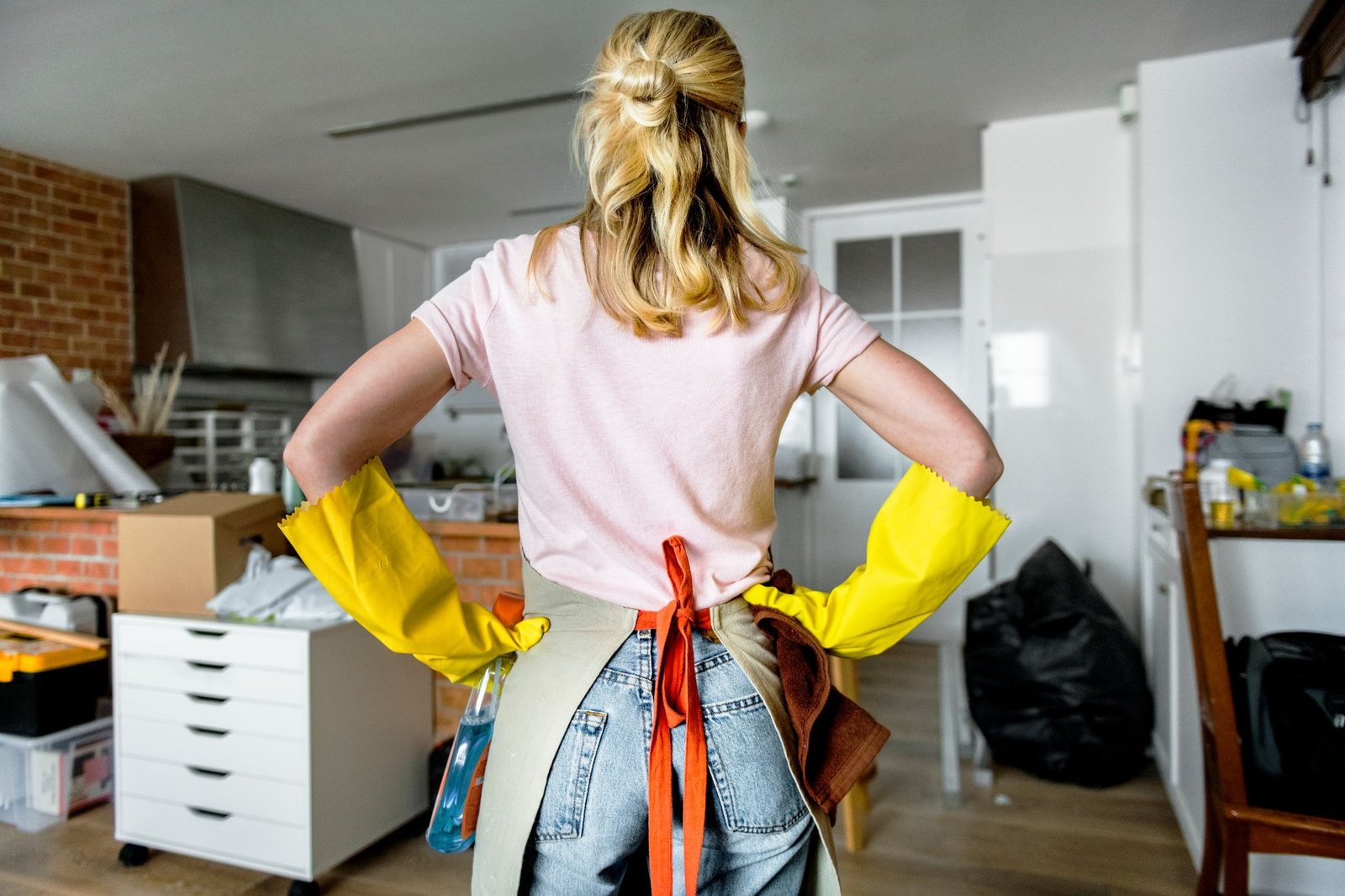
Restocking is the part of Airbnb turnover work most hosts undervalue until something runs out mid-guest. A missing roll of toilet paper at 11 p.m. doesn’t just inconvenience a guest; it leaves the property with a one-star review. So does an empty bottle of dish soap on Saturday morning when the family wants to make pancakes. Cleaning a property well is half the turnover job. Restocking the right consumables in the right quantities is the other half, and it’s the half where most rentals lose points without ever knowing why.
A good restocking system runs on documented checklists rather than visual inspection. Visual inspection misses things constantly. The label-fully-stocked dish soap that’s actually half-empty. The toilet paper stash that looks full from the closet doorway but has only one roll behind the front row. The salt shaker is empty because the last guest used it all. A Local Airbnb cleaner in San Diego, using a proper checklist, catches all of these issues before the next guest arrives. A team relying on eyeballs and memory misses them, and the guest is the one who finds out.
Short-term rental owners across San Diego have several cleaning operations to choose from for turnover work. Clearwater Cleaning is one of the Local Airbnb cleaning services in San Diego, handling property turnovers across residential properties in the area. None of what follows is a recommendation of any specific service. It’s a practical walkthrough of what a real restocking checklist contains, what par levels make sense, and where the gaps usually appear in less rigorous systems.
The Bathroom Restocking Checklist
Bathrooms are the most frequently restocked areas in any property. Standard items to check and replenish on every turn include toilet paper (a minimum of two extra rolls visible plus a backup supply), hand soap at every sink, body wash or bar soap in every shower, shampoo, conditioner, facial tissue, hand towels (fresh per guest), bath towels (fresh per guest), bath mats (fresh per turn), and the bathroom trash can liner.
Airbnb’sGround Rules for Hosts require hosts to provide essential amenities, including soap, toilet paper, and clean towels. Falling short of these basics affects the listing’s standing and can trigger guest complaints that directly impact the rating.
Things that should also be checked even though they aren’t fully consumed every visit: cotton swabs, cotton balls, Q-tips on a small tray, hair dryer presence and condition, makeup-removable wipes if the property targets longer stays, sanitary products in a discreet basket.
See also: Crypto and the Future of Digital Transactions
The Kitchen Restocking Checklist
Kitchen restocking touches more SKUs than any other room. Dish soap, hand soap at the sink, dishwasher pods or detergent, sponges (fresh per turn), paper towels, trash bags (multiple sizes kitchen, bathroom, recycling), coffee (regular and decaf if the property targets families), coffee filters or pods, tea bags, sugar packets, salt and pepper, cooking oil, basic spices in unopened or sealed containers, auminum foil, plastic wrap, storage bags, and dish towels (fresh per turn).
For properties that allow longer stays or attract food-focused travelers, the kitchen restock often extends further. Cooking salt rather than just table salt. A small selection of spices. Hot sauce or basic condiments. Coffee creamer powder. Bottled water if the local water taste is an issue. Snack bowl items in some configurations.
The fridge and freezer also need a check at every turn. Old food removed. The interior was wiped if anything spilled or expired. Ice trays refilled. Filter status verified.
The Bedroom and Living Area Restocking Items
Bedrooms get cleaner restocking than people expect. Bedside water bottles or carafes (fresh per guest). Tissue box in working condition. Extra pillows and blankets are visible or accessible. Phone chargers if the property provides them. Slippers if branded. Closet hangers counted.
Living areas often need batteries checked in remotes (the single biggest avoidable complaint), Wi-Fi network info posted somewhere visible, the welcome book or property guide in its place, a stack of clean throw blankets if the property provides them, coasters in expected quantities, and any board games or entertainment items in complete condition with all pieces accounted for.
Safety Items
This is the category most cleaning crews check least often, and it’s the one with the highest stakes when it gets missed. Smoke alarm batteries. Carbon monoxide detector batteries and operation. Fire extinguisher pressure gauge. First aid kit completeness. Emergency exit information posted.
The National Fire Protection Association’sguidance on installing and maintaining smoke alarms recommends monthly testing of every smoke alarm and annual battery replacement on units that take removable batteries. For an active Airbnb that’s turning over 50+ times a year, building a quarterly safety equipment check into the restocking rotation catches dying batteries before guests have to deal with chirping alarms at 3 a.m.
Welcome Basket and First-Impression Items
Properties that want repeat bookings and 5-star reviews often layer a welcome experience on top of basic restocking. A small basket with bottled water, granola bars or snacks, a handwritten welcome card, local information, and possibly a small local product (San Diego properties often include a small bag of local coffee or a chocolate from a local maker). Welcome items are restocked per guest rather than from a bulk stock, so the checklist tracks what’s used on each turn and what needs to be replaced.
The welcome basket isn’t required, but the data on it is clear. Properties with thoughtful welcome touches consistently outperform identical properties without them on review scores and repeat bookings.
Local San Diego Considerations
San Diego properties often need a few extras that wouldn’t apply in other markets. Sunscreen is mentioned in the welcome guide for beach-adjacent properties. Beach towels are separate from bath towels (counted and restocked separately because they’re often the most stolen item). Reusable shopping bags for properties near grocery stores or farmers’ markets. Bicycles or beach gear are inventoried per turn if the property includes them.
Coastal humidity also affects how some consumables behave in storage. Salt clumps. Paper goods can get musty if stored uncovered for too long. A cleaning crew working San Diego properties knows to rotate stock and check for environmental issues that crews in drier markets don’t think about. Restocking right is more than just refilling bottles. It’s running the property like the small hospitality operation it actually is.